About G6 Standard Photoelectric Sensors
PRODUCT DESCRIPTION
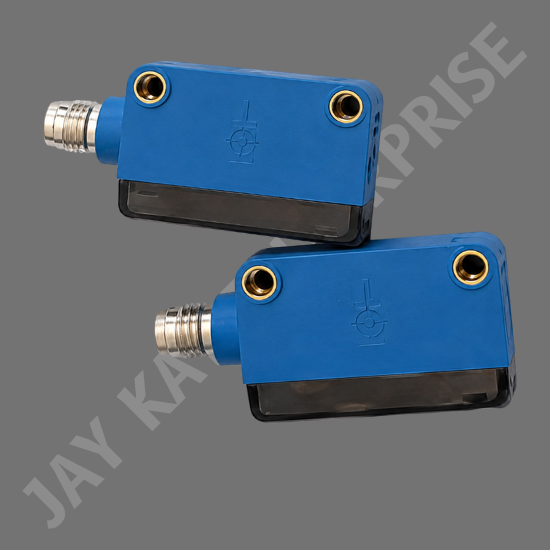
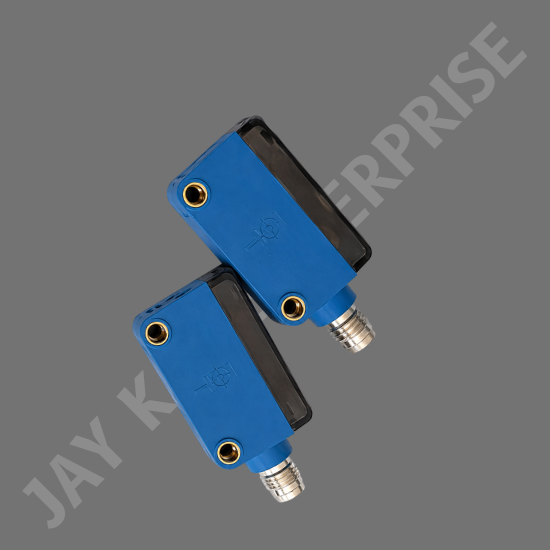
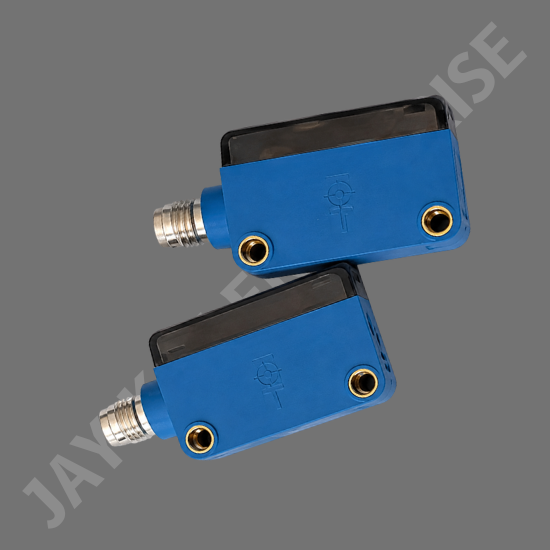
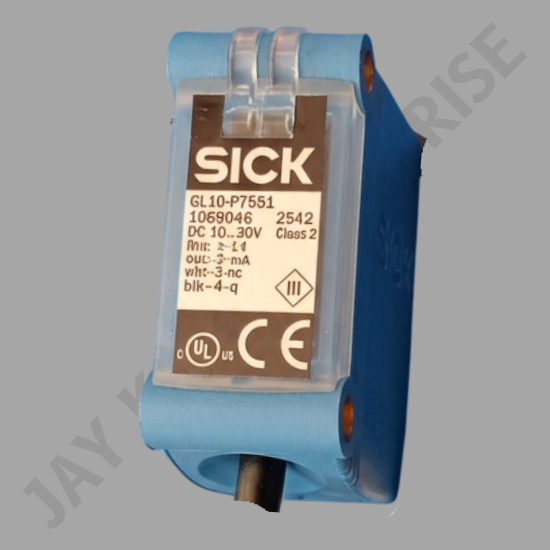
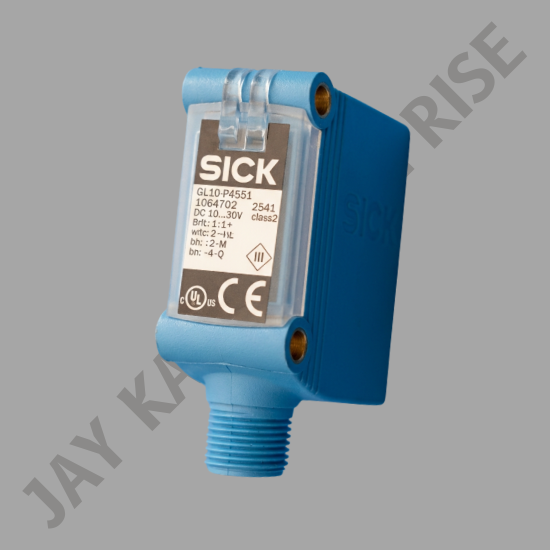
The photoelectric sensors in the G6 product family with their miniature housings will impress you across the board with both their standard mounting configuration of 1-inch spaced holes and also their functional characteristics. The variants with a stainless steel 1.4404 (316L) housing are especially resistant to chemicals and cleaning agents in washdown applications. With Pinpoint LED and laser technology, metal inserts for mounting, large and bright indicator LEDs, user-friendly adjustment screws, IP67 and IP69K enclosure ratings, as well as the very latest ASIC technology from SICK, the G6 series far exceeds the current standard.
AT A GLANCE
- Pinpoint LED and class 1 laser variants.
- SICK ASIC, the result of decades of experience with photoelectric sensors.
- Photoelectric proximity sensors with background suppression, energetic photoelectric proximity sensors, and through-beam photoelectric sensors.
- ABS plastic housing and V4A stainless-steel 1.4404 (316L) housing.
- Enclosure ratings IP67 and IP69K.
YOUR BENFITS
- Pinpoint LEDs (with visible red light and infrared light) or variants with a laser light spot enable objects to be detected reliably and are therefore suitable for a broad range of applications.
- Superior optical performance and robustness thanks to the ASIC from SICK.
- Quick and easy mounting and high durability thanks to the metal inserts with M3 thread.
- Easy installation and adjustment with user friendly potentiometer and highly visible indicator LEDs.
- Variants with a stainless-steel housing and IP69K enclosure rating ensure a long sensor service life in demanding washdown ap plications.
FIELDS OF APPLICATION
- Industries with high cleaning requirements (e.g. food and beverage).
- Harsh environments requiring tough metal housing. e.g. due to mechanical impacts.
- Applications with high aesthetic standards.
Versatile Detection for AutomationThe G6 Standard Photoelectric Sensor excels in leading edge detection and presence checking across diverse automation settings. Its through-beam function ensures minimal interference and reliable operation even in fast-paced or challenging conditions. With a spectral range up to 15 meters and visible red light detection, it ensures accurate, real-time output indispensable for automated processes.
Robust Build and Easy InstallationFeaturing high-grade ABS/PC plastic housing and IP67 rating, this sensor endures exposure to dust and moisture common in industrial contexts. The mounting process is simplified with M3 holes, allowing secure attachment in tight or complex layouts. Its compact design combines durability with easy integration, making it suitable for both new installations and system upgrades.
FAQ's of G6 Standard Photoelectric Sensors:
Q: How does the through-beam photoelectric sensor operate?
A: The G6 Standard uses a through-beam system, where the transmitter and receiver are positioned across from each other. When an object interrupts the beam of visible red light, the sensor detects the change, providing precise presence or position checking up to 15 meters away.
Q: What are the benefits of IP67 ingress protection for this sensor?
A: IP67 ingress protection ensures the sensor is completely dustproof and can withstand immersion in water up to 1 meter deep for 30 minutes. This feature makes it highly reliable for use in harsh and demanding industrial environments.
Q: What applications are suitable for the G6 Standard Photoelectric Sensor?
A: This sensor is ideal for industrial automation tasks such as leading edge detection and presence checking on assembly lines, conveyor systems, and machinery where precise and fast object recognition is necessary.
Q: Where can this sensor be installed within an automation line?
A: With its robust housing and convenient M3 mounting holes, the G6 Standard can be securely installed on frames, equipment, or conveyor systems wherever detection of moving parts or products is needed.
Q: What is the process for wiring and powering the device?
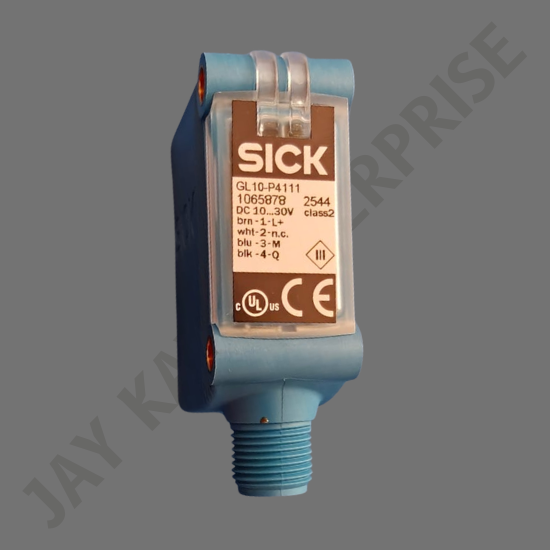
A: The sensor operates on a 10 V DC to 30 V DC supply and features a digital PNP output. It should be connected using the provided cable, ensuring the correct polarity and secure wiring to a compatible industrial control system.
Q: When should the sensor be considered for replacement or maintenance?
A: Under normal industrial conditions, the sensor is engineered for durability and performance. Maintenance mainly involves verifying cleanliness of the optical path. Replacement may be necessary after mechanical damage or persistent detection issues, covered under its one-year warranty.
Q: What makes the G6 Standard suitable for high-speed industrial applications?
A: With a rapid response time and accurate digital signal output at up to 1000 Hz frequency, this sensor ensures timely and precise object detection, contributing to smooth and efficient automated processes.





 Send Inquiry
 Send Inquiry

