KTS CONTRAST SENSORS About
PRODUCT DISCRIPTION
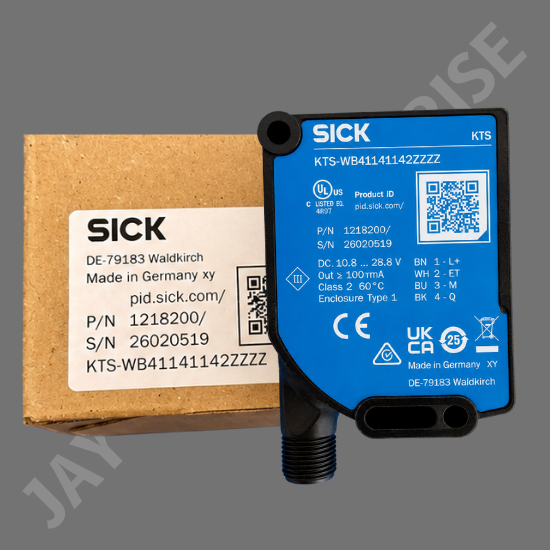
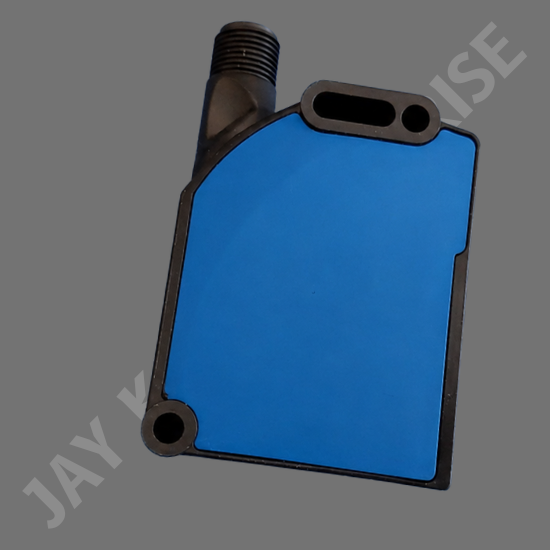
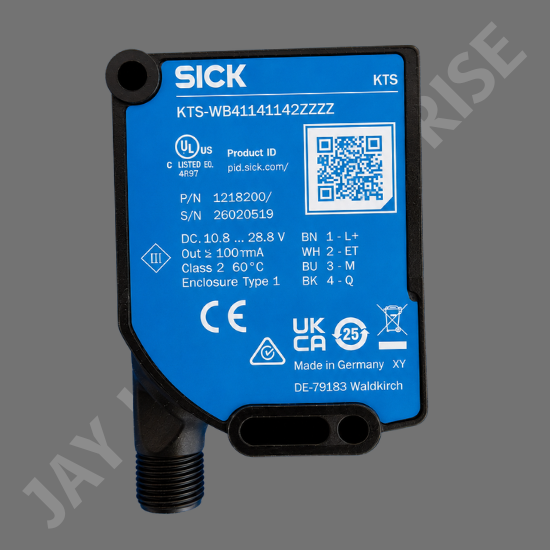
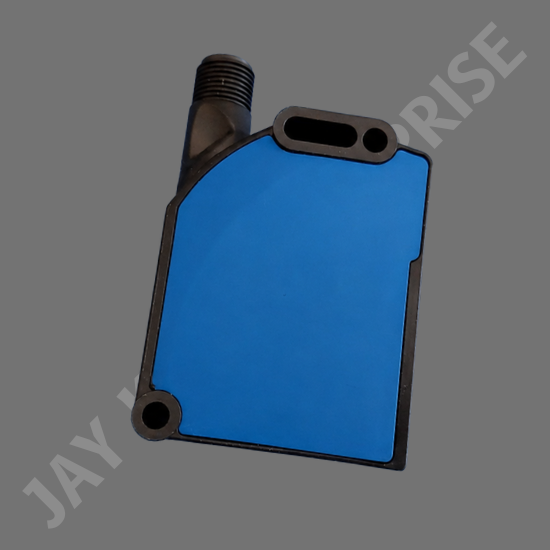
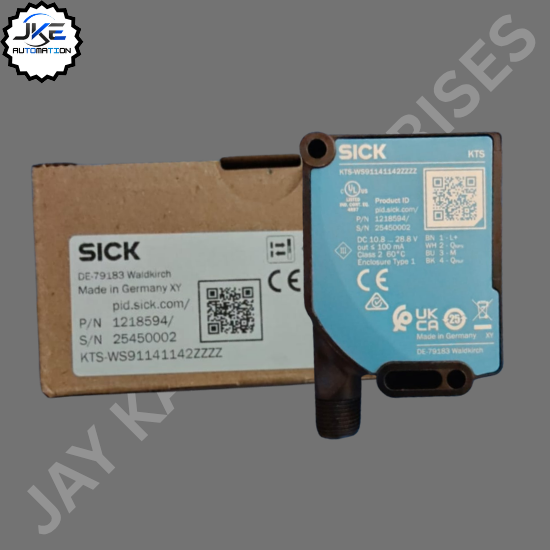
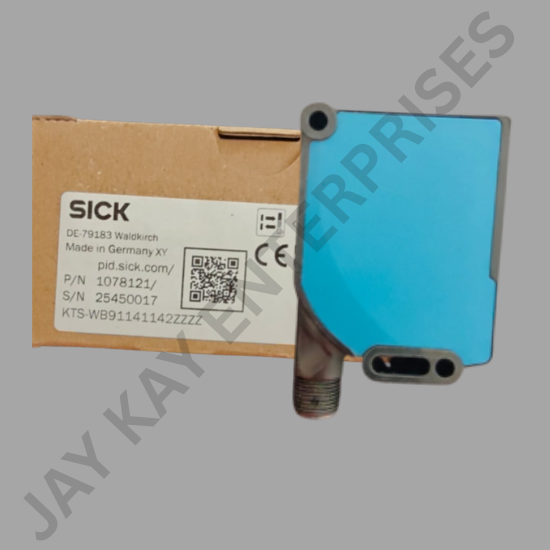
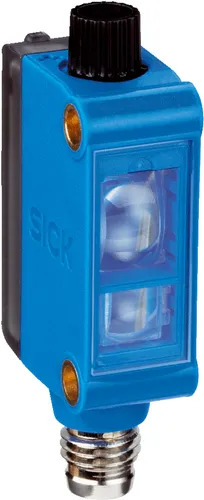
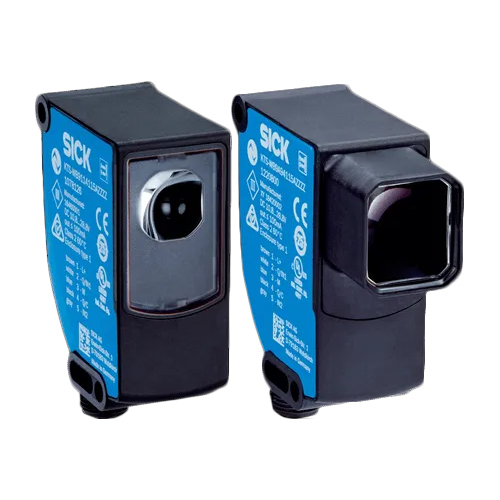
The best performance KTS contrast sensors can be used in many applications, even under demanding conditions. The sensors in the KTS product family with RGB technology and VISTAL housing feature good performance, high switching frequency and grayscale resolutions, as well as various teach-in variants. Some models come with Twin Eye-Technology, a display, and IO-Link for providing diagnostics and analysis data. Response times of just 10 s and minimal jitter of 3 s ensure positionally accurate col or and contrast detection even at high machine speeds and for highly glossy materials. The color mode integrated into several variants and variable sensor settings ensure quick commissioning and high process stability. This makes KTS an ideal companion for digital machine environments.
AT A GLANCE
- RGB technology for best possible detection.
- Switching frequency: up to 70 kHz, jitter: 3 s.
- Twin Eye-Technology for high depth of field and sensing distance tolerance.
- Various teach-in variants.
- Color mode.
- IO-Link and flexible sensor settings.
- Display for easy sensor operation.
YOUR BENEFITS
- High contrast and color resolution for best possible performance, even when detecting complex materials.
- Various teach-in procedures for application-specific sensor and process settings.
- Diagnostics, visualization, and simple format change via IO-Link.
- Sensor data can be stored in the device allows flexible process design and quick format change.
- multi-functional sensor adjustment for individual sensor adjustment.
- Twin Eye-Technology for better performance in detecting glossy or fluttery materials, thereby resulting in fewer machine down times and more process stability.
- Space-saving due to compact design.
FIELDS OF APPLICATION
- Applications in which contrast is a distinguishing feature.
- Print mark detection for controlling cutting processes.
- Print control in the print and paper industry.
- Positioning of tubes when filling.
- Label alignment.
- Splice detection in packaging and battery production.
- Roll end monitoring.
ORDERING INFORMATION
- Other models and accessories www.sick.com/KTS.
- Housing design: middle.
- Communication interface.
- Sensing distance: 13 mm.
- Light emission: Long side of housing.
Precision Sensing for Industrial AutomationKTS Contrast Sensors offer superior accuracy in detecting contrasts, essential for splice band detection and similar industrial processes. With advanced light/dark switching, high resolution, and push-pull outputs, these sensors are tailored for fast, error-free performance. Their rugged VISTAL housing and IP67 rating ensure durability even in challenging settings.
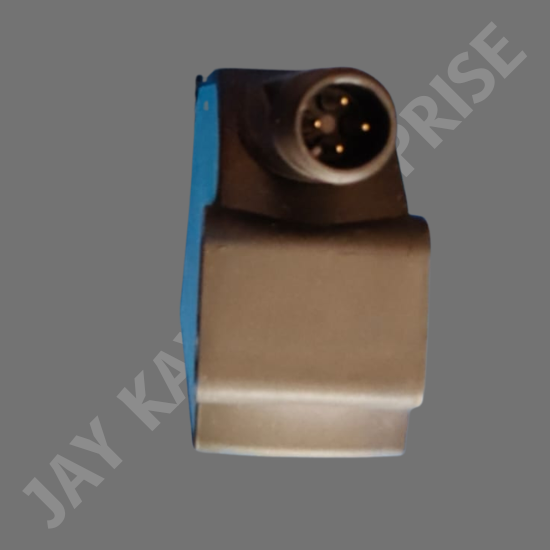
Versatile and Protected PerformanceDesigned for flexibility, KTS sensors support multiple input voltages and come with male M12 connector (4-pin) for easy integration. Built-in features like reverse polarity protection, interference pulse suppression, and output short-circuit protection safeguard both the sensor and your system. With a wide temperature range, these sensors remain reliable across various working conditions.
Effortless Installation and OperationThanks to the Easy Teach function, configuring the KTS Contrast Sensor is simple and fast, reducing installation downtime. The compact and lightweight design allows for seamless implementation into existing setups, while digital signal output supports modern industrial requirements for splice band detection and process monitoring.
FAQ's of KTS CONTRAST SENSORS:
Q: How does the KTS Contrast Sensor facilitate splice band detection?
A: The KTS Contrast Sensor uses advanced light/dark switching technology to accurately differentiate between varying contrast levels, making it highly effective for detecting splice bands on moving materials in industrial automation applications.
Q: What are the main benefits of using KTS Contrast Sensors in automated processes?
A: KTS Contrast Sensors provide precise, fast, and reliable detection with easy setup via the Easy Teach feature. Their robust housing (IP67-rated) offers resistance to dust and water, while protective circuitry prevents damage from wiring issues and electrical surges.
Q: When is KTS Contrast Sensor installation recommended in manufacturing?
A: These sensors are ideal for integration during the assembly of automated lines where critical contrast recognition is needed, such as at points where splice band detection is crucial for quality control and material handling.
Q: Where can KTS Contrast Sensors be mounted within an industrial setup?
A: Due to their compact design and robust housing, KTS sensors can be installed in a variety of locations, including conveyor systems, material feeders, or anywhere splice detection along a band or web is required.
Q: What process does the Easy Teach function follow for calibration?
A: The Easy Teach function allows for rapid sensor calibration by exposing it to reference light and dark marks. With a simple teach command, the sensor establishes detection thresholds, minimizing setup time and errors.
Q: How does the sensor ensure safe and uninterrupted operation?
A: KTS sensors feature reverse polarity and output short-circuit protection, as well as interference pulse suppression. These safeguards help prevent electrical faults and ensure reliable operation even under challenging industrial conditions.




 Send Inquiry
 Send Inquiry

