KTS PHOTOELECTRIC SENSORS About
PRODUCT DESCRIPTION
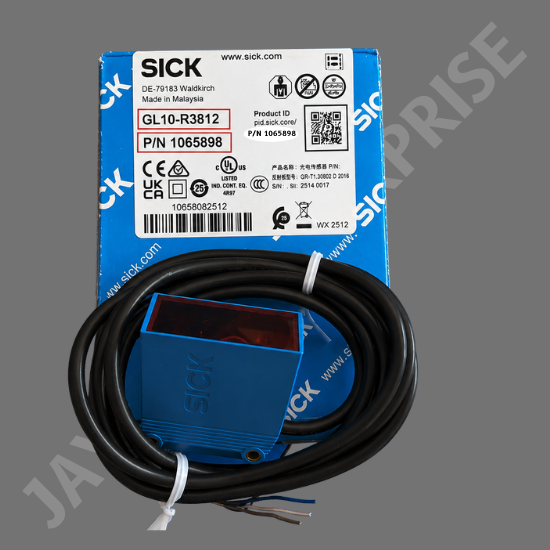
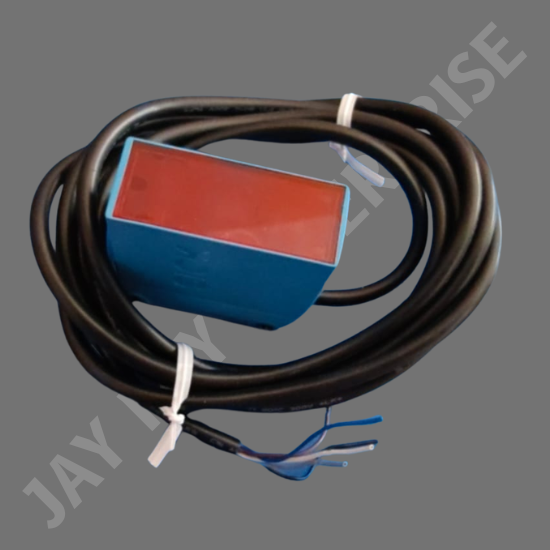
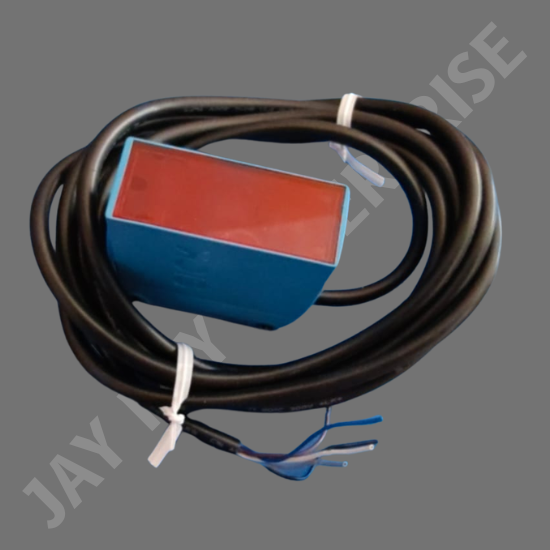
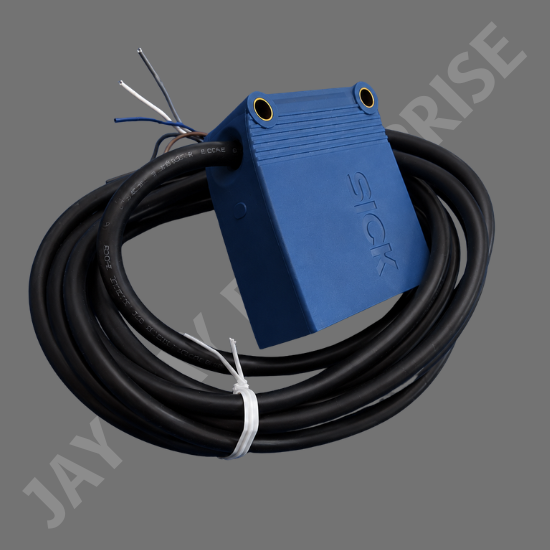
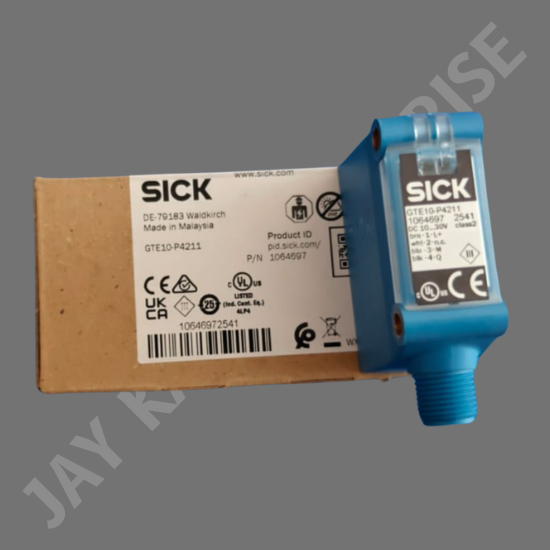
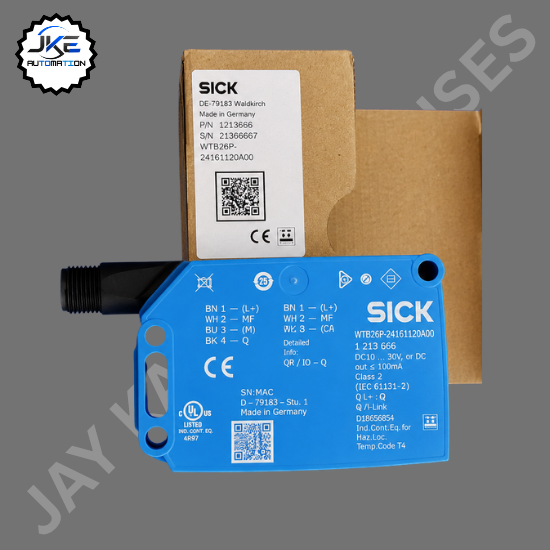
The G10 product family is characterized by optimum detection performance wherever space is at a premium. It supports numerous different options for optics, electronics, principles of operation, power supplies, and switching outputs. Combined with an extensive range of accessories, these sensors are able to support a wide variety of applications. The patented Q-Lock assembly system for the G10 reduces the time required to install and align the sensor with an assembly rod to just a few seconds, making this the ide al product for logistics applications. Summary: The G10 product family provides quick and flexible sensor installation, ensures error-free operation, and keeps costs under control.
AT A GLANCE
- Long sensing ranges: 1,200 mm with background suppression; 15 m on PL80A reflector.
- Pinpoint LED with bright and precise light spot.
- Small housing design.
- 10 30 VDC or 24 240 VAC/VDC power supply with PNP/NPN or relay output.
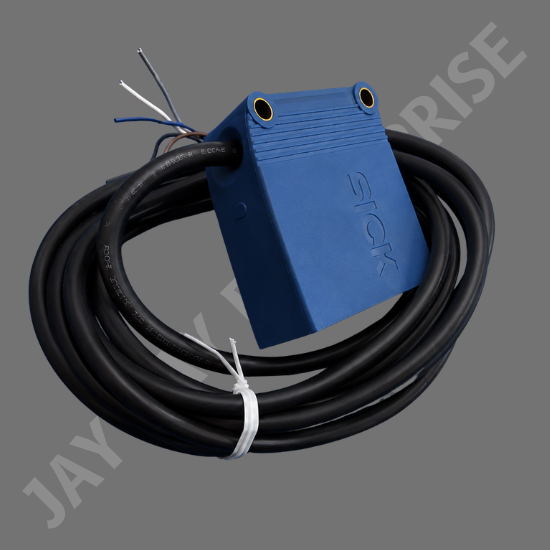
- Rugged sensor housing with metal-reinforced holes for assembly.
- Q-Lock assembly system for mounting the sensor within a few seconds.
YOUR BENEFITS
- Long sensing ranges for maximum operating reserves.
- Efficient installation: The G10 and the Q-Lock assembly system save valuable hours when mounting and commissioning multiple sensors.
- A single sensor family for all industrial and commercial fields of application.
- Universal DC or AC/DC power supply for even greater application flexibility.
- Highly reliable and durable despite optical interference or mechanical loads.
- Wide range of accessories simplifies sensor integration: aids for assembly, connecting cables, and reflectors.
FIELDS OF APPLICATON
- Logistics: Storage & Conveyor, especially pallet detection.
- Machine builders (e.g. packaging, handling, wood processing, paper).
- Automotive.
- Automated car park systems.
- Doors and gates.
- Distribution.
ORDERING INFORMATION
- Other models and accessories www.sick.com/G10.
- Functional principle: Photoelectric proximity sensor.
- Functional principal detail: Background suppression.
- Light source: LED.
- Voltage type: DC.
- Switching mode: Light/dark switching.
- Type of light: Infrared light.
Versatile and Reliable SensingEngineered with a dual-lens system and a broad measurement range from 0.15 m to 12 m, the KTS Photoelectric Sensor excels in industrial automation and access control scenarios. Its high-accuracy detection and flexible mounting options make it suitable for diverse environments, ensuring both precision and dependability.
Built for Rugged EnvironmentsWith an IP67 rating, robust ABS/PMMA housing, and operational tolerance from -30C to +60C, this sensor brings resilience to industrial settings. Its wide voltage compatibility and electrically isolated relay output increase safety and reduce maintenance, making it ideal for demanding automation tasks.
FAQ's of KTS PHOTOELECTRIC SENSORS:
Q: How is the KTS Photoelectric Sensor typically installed?
A: The sensor can be securely mounted using the BEF-G10UC01 mounting bracket and a 4.2 mm hole thread, ensuring quick and stable installation on machinery or access barriers.
Q: What are the main applications of this photoelectric sensor?
A: This sensor is most commonly used in monitoring access barriers within industrial automation, helping to detect the presence or passage of objects with high precision.
Q: When should I select this sensor over others?
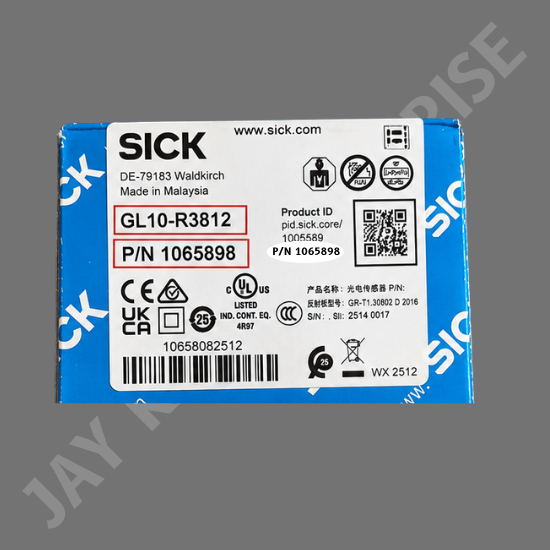
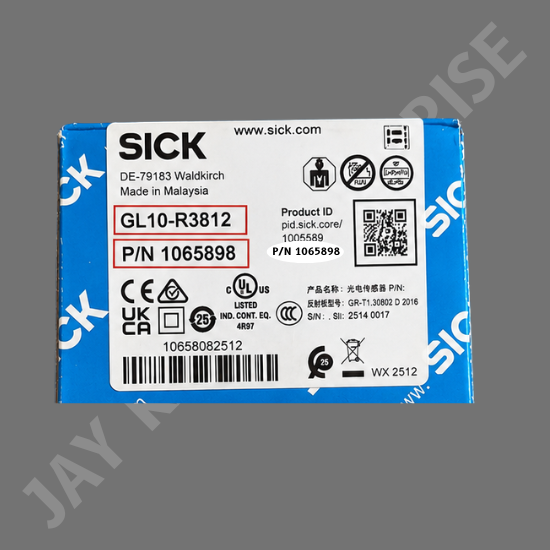
A: Choose the KTS GL10-R3812 sensor when you require a reliable, weather-resistant device for medium-to-long range object detection, especially in harsh or demanding environments requiring IP67 protection.
Q: Where can the sensor be deployed effectively?
A: It works efficiently in industrial facilities, manufacturing lines, or any area demanding precise access control, thanks to its wide operating temperature range and robust housing material.
Q: What is the operating voltage and power consumption of the sensor?
A: The sensor operates on a wide voltage range from 24 V AC/DC up to 240 V AC/DC, with a power consumption of just 2.5 VA, making it energy efficient.
Q: How does the dual lens system benefit performance?
A: The dual lens design enables the sensor to function accurately even at minimal distances to the reflector, improving reliability and reducing the chances of missed detections in confined spaces.
Q: What are the advantages of using an SPDT, electrically isolated relay output?
A: The SPDT relay output provides flexible connection options for control systems and, being electrically isolated, helps prevent electrical interference, ensuring safe and stable integration into automation networks.






 Send Inquiry
 Send Inquiry

