G10 PHOTOELECTRIC SENSOR About
PRODUCT DISCRIPTION
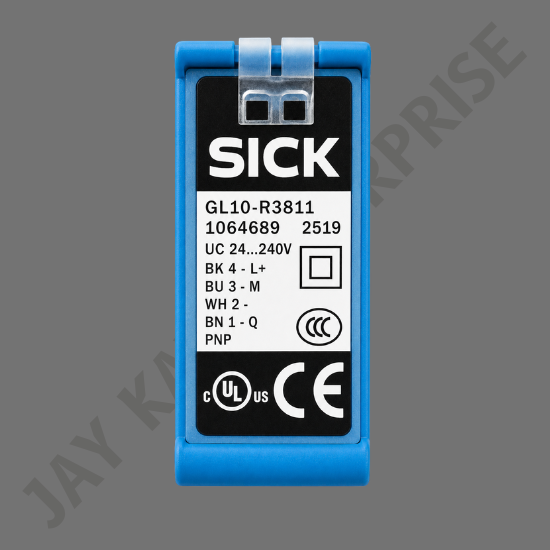
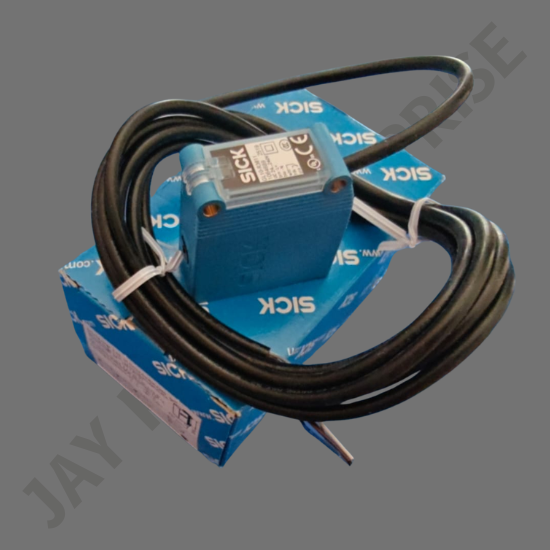
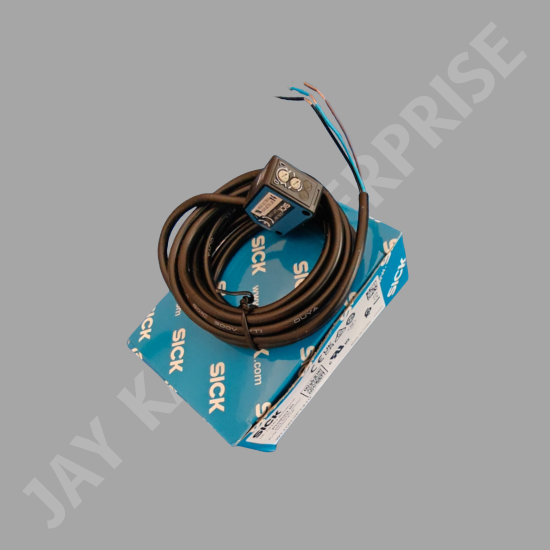
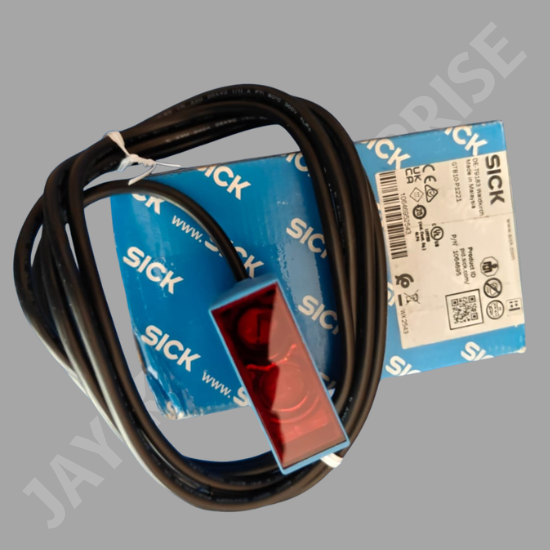
The G10 product family is characterized by optimum detection performance wherever space is at a premium. It supports numerous different options for optics, electronics, principles of operation, power supplies, and switching outputs. Combined with an extensive range of accessories, these sensors are able to support a wide variety of applications. The patented Q-Lock assembly system for the G10 reduces the time required to install and align the sensor with an assembly rod to just a few seconds, making this the ide al product for logistics applications. Summary: The G10 product family provides quick and flexible sensor installation, ensures error-free operation, and keeps costs under control.
AT A GLANCE
- Long sensing ranges: 1,200 mm with background suppression; 15 m on PL80A reflector.
- Pinpoint LED with bright and precise light spot.
- Small housing design.
- 10 30 VDC or 24 240 VAC/VDC power supply with PNP/NPN or relay output.
- Rugged sensor housing with metal-reinforced holes for assembly.
- Q-Lock assembly system for mounting the sensor within a few seconds
YOUR BENEFITS
- Long sensing ranges for maximum operating reserves.
- Efficient installation: The G10 and the Q-Lock assembly system save valuable hours when mounting and commissioning multiple sensors.
- A single sensor family for all industrial and commercial fields of application.
- Universal DC or AC/DC power supply for even greater application flexibility.
- Highly reliable and durable despite optical interference or mechanical loads.
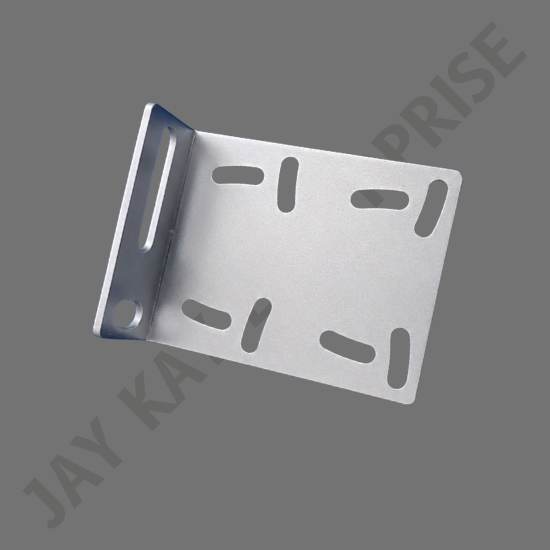
- Wide range of accessories simplifies sensor integration: aids for assembly, connecting cables, and reflectors
FIELDS OF APPLICATION
- Logistics: Storage & Conveyor, especially pallet detection.
- Machine builders (e.g. packaging, handling, wood processing, paper).
- Automotive.
- Automated car park systems.
- Doors and gates.
- Distribution
ORDEING INFORMATION
Other models and accessories www.sick.com/G10
Functional principle: Photoelectric proximity sensor.
Functional principal detail: Background suppression.
Light source: LED.
Voltage type: DC.
Switching mode: Light/dark switching.
Type of light: Infrared light
Robust Construction and Flexible ApplicationBuilt with a plastic ABS/PMMA housing and IP67 ingress protection, this sensor endures tough environments and varying weather conditions. The broad temperature and voltage ranges, combined with a 0.15 m to 12 m spectral range, make it suited for a variety of monitoring tasks including barrier control in industrial and commercial settings.
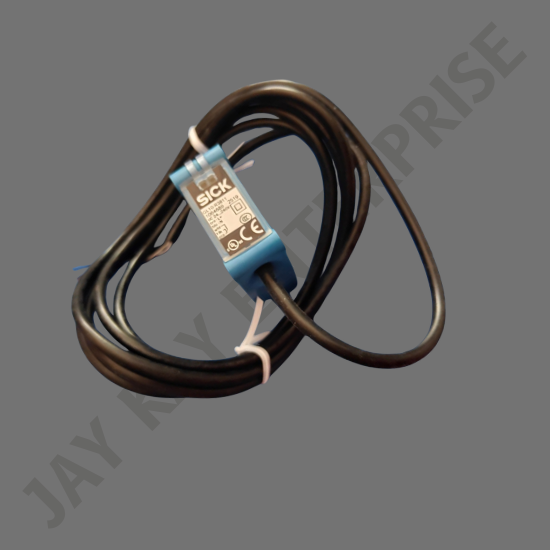
Simple Installation and Reliable OperationMounting is straightforward thanks to a 4.2 mm mounting hole, and the included 2-meter cable allows for versatile setup. The sensor's photoelectric retro-reflective function, high accuracy (58 mm), and electrically isolated relay output provide dependable performance in sensitive monitoring applications.
FAQ's of PHOTOELECTRIC SENSOR:
Q: How is this photoelectric sensor typically installed?
A: This sensor is designed for easy installation using a 4.2 mm mounting hole and comes equipped with a 2-meter, 5-wire PVC cable for convenient wiring in a variety of settings.
Q: What are the key applications for this retro-reflective photoelectric sensor?
A: It is primarily used for monitoring access barriers in industrial and commercial environments, helping to manage entry points with accurate detection and swift response.
Q: When should this sensor be used for monitoring access barriers?
A: It's ideal for use when precise and reliable barrier monitoring is required, especially in areas exposed to dust, moisture, and fluctuating temperatures. Its IP67 rating and temperature tolerance from -30C to +60C make it suitable year-round.
Q: Where can this sensor operate effectively?
A: The sensor can function effectively in locations where ingress protection is critical, such as outdoor entry points, industrial gates, or warehouses, thanks to its IP67-rated enclosure.
Q: What are the benefits of using a retro-reflective photoelectric sensor?
A: Benefits include non-contact detection, high sensitivity, a 15 m maximum detection range, and reduced maintenance due to its robust housing and sealed design.
Q: How does the relay SPDT output work in system integration?
A: The relay output is electrically isolated, allowing straightforward integration with other control systems, enhancing both safety and circuit protection for monitoring solutions.






 Send Inquiry
 Send Inquiry

